Trashigang – Bhutan’s Gateway to the East
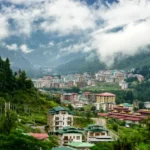
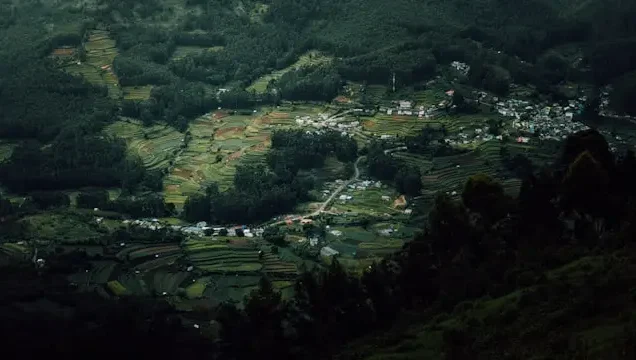
Trashigang, the largest district in Bhutan, is a hidden gem nestled in the country’s remote eastern region. Perched along the banks of the Dangme Chhu River, Trashigang is renowned for its untouched landscapes, colorful traditions, and spiritual heritage. Often referred to as the “Jewel of Eastern Bhutan”, it serves as a cultural bridge between the remote eastern highlands and the rest of the country.
Less commercialized than western destinations like Thimphu and Paro, Trashigang Bhutan offers a rare chance to experience raw Bhutanese culture, ancient Dzongs, and panoramic treks across hilltop villages. It’s an ideal choice for offbeat explorers looking for authentic local experiences and spiritual immersion. Plan your Trashigang tour packages with India Tour Experts for a seamless Eastern Bhutan adventure.
Sights


Map
Info
Location & Accessibility
Trashigang is located in eastern Bhutan, around 550 km from Thimphu. It sits at an elevation of approximately 1,150 meters (3,770 feet), making it one of the lower-altitude towns in the country with a warm and pleasant climate.
-
Nearest Airport: Yonphula Domestic Airport (approx. 20 km away)
-
Access via Road: Can be reached via road from Mongar and Samdrup Jongkhar
-
Travel Tip: Flights to Yonphula operate via Paro; road journeys are scenic but long
🏯 Places to Visit in Trashigang
-
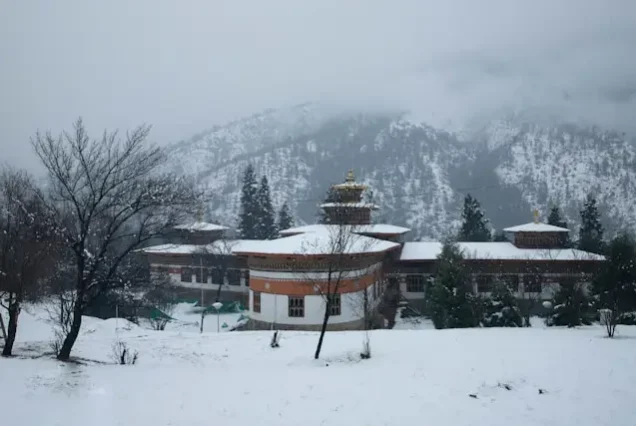
Trashigang Dzong: A stunning 17th-century fortress perched on a cliff with views of the Drangme Chhu
-
Radhi Village: Known as the ‘Rice Bowl of the East,’ famous for lush terraces and handwoven textiles
-
Khaling Handloom Center: A must-visit to witness the age-old art of Bhutanese weaving
-
Gom Kora Temple: Sacred site where Guru Rinpoche is believed to have meditated
-
Rangjung Monastery: A modern monastery attracting spiritual seekers from across the region
-
Merak and Sakteng Villages: Home to the Brokpa people and part of the unique Sakteng Wildlife Sanctuary
🌤️ Best Time to Visit Trashigang
-
Spring (March to May): Mild weather and rhododendron blooms
-
Autumn (September to November): Perfect for festivals and clear mountain views
-
Winter (December to February): Cool and dry with fewer tourists
-
Avoid July–August: Monsoon rains may affect road travel in remote areas
🎒 Things to Do in Trashigang
-
Attend the vibrant Trashigang Tshechu, celebrated with masked dances and local festivities
-
Hike through Sakteng Wildlife Sanctuary, known for rare Himalayan biodiversity
-
Explore local weaving villages and buy authentic Bhutanese textiles
-
Visit Buddhist monasteries and meditation retreats tucked in the hills
-
Experience local cuisine, including red rice, butter tea, and spicy curries
-
Interact with the semi-nomadic Brokpa tribe, known for yak herding and colorful dress
🏨 Where to Stay in Trashigang
Accommodation ranges from cozy guesthouses to government-run hotels offering local hospitality. Trashigang offers a more authentic, homestay-style experience, ideal for travelers looking to connect with local communities.
📌 Travel Tips for Trashigang
-
Roads are narrow and winding; consider hiring experienced local drivers
-
Internet and mobile network can be limited in remote areas
-
Pack essentials like medications, power banks, and snacks for long drives
-
Respect local customs—dress modestly and ask permission before photography
-
Secure your permits and transportation through India Tour Experts for a hassle-free journey